
Spoiler warning: This article discusses a major early story sequence in 007 First Light.
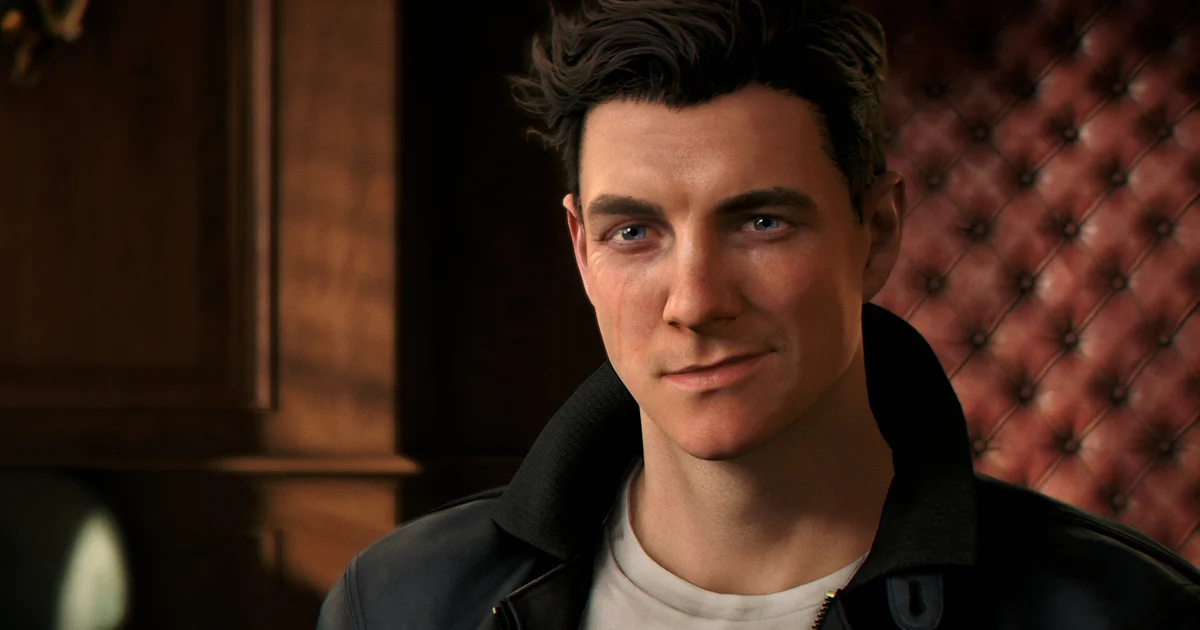
IO Interactive’s 007 First Light could have been a very different kind of James Bond game. Rather than centering almost entirely on one young 007, the studio originally considered an ensemble-driven adventure built around multiple Double-O agents working together in the field.
That abandoned direction still survives in the game’s opening hours. According to lead writer Michael Vogt, the early training sequence deliberately gives players the impression that First Light is going to be a team story. The mission introduces Bond alongside other agents, establishes the camaraderie of the group, and briefly frames the Double-O program as a collective effort rather than a single hero’s origin story.
Then the game destroys that expectation.
The training sequence was designed as a narrative feint
Vogt described the sequence as a “false promise” in an interview with Eurogamer, explaining that the original pitch for First Light had involved different agents working together across the campaign. The final game instead uses the training mission to establish a group before removing most of it in an explosion, leaving Bond as the survivor.
That moment does more than provide an early shock. It changes the dramatic shape of the game. What initially looks like a story about a new generation of spies becomes a much more personal account of Bond’s transformation into the agent audiences recognize.
Bond surviving is also treated as something less than a straightforward victory. He could have died alongside the others, and his survival gives him a position of distinction within the program. But it also leaves him carrying the guilt of being the one who made it out. The Double-O designation becomes a burden as much as a badge of achievement.
That is a strikingly efficient piece of character development. Instead of simply telling players that Bond matures, IO Interactive uses the collapse of the ensemble to make that maturity unavoidable. The carefree energy of the training sequence gives way to a harsher understanding of espionage, where experience is measured in losses and survival often comes with consequences.
Why IO Interactive moved away from the ensemble idea
Vogt said he was not entirely sure when the concept changed, noting that the first pitch took place roughly seven years before the game’s launch. He did, however, explain the creative reasoning behind the shift: the explosion marks the point where the story moves from “fun and games” into a more serious phase.
That change also makes practical sense for a Bond origin story. A rotating cast of Double-O agents could have offered a broader view of the organization, but it might have weakened the central question of who this version of James Bond is. By narrowing the focus, IO Interactive can build the game around Bond’s development rather than distributing the emotional weight among several playable or supporting agents.
The decision reflects a familiar tension in licensed games. An ensemble can make a world feel larger and more lived-in, while a tightly focused protagonist gives the narrative a clearer identity. 007 First Light ultimately chooses the latter, even if it spends its opening sequence teasing the former.
For players, that makes the training mission especially interesting in retrospect. It is not merely an introduction to Bond’s colleagues or a setup for a spectacular action scene. It is a glimpse of a version of First Light that never existed, embedded inside the finished game as a deliberate misdirection.
A Bond game shaped by IO Interactive’s strengths
The ensemble concept may have been abandoned, but the final structure still benefits from IO Interactive’s experience with character-driven espionage. The studio is best known for the Hitman trilogy, a series built around disguises, infiltration, social spaces, and the fantasy of operating inside a living spy world.
First Light is not simply Hitman with a Bond license attached. Its campaign is more cinematic and more controlled, reflecting the demands of a defined protagonist and a traditional origin story. However, the same design background helps explain why IO Interactive was initially comfortable imagining a wider cast of agents, each potentially bringing a different perspective and skill set to the world of espionage.
Critical reaction to the released game has highlighted that balance. GameSpot awarded 007 First Light an 8, while reviews and roundups have praised its presentation, Bond atmosphere, and ability to blend action with stealth-oriented play. Other critics have noted that it is less open-ended and less improvisational than the Hitman games, an understandable trade-off for a story centered on one specific character.
That contrast is important. A full ensemble game might have allowed IO Interactive to lean further into varied approaches and contrasting agent identities. The finished First Light, by comparison, is more interested in showing how Bond becomes Bond—and what that process costs him.
Where the game stands now
007 First Light launched on May 27, 2026, for PlayStation 5, Xbox Series X|S, and PC through Steam and the Epic Games Store. IO Interactive developed and self-published the game in collaboration with Amazon MGM Studios, presenting it as an original reimagining of Bond’s early career rather than an adaptation of one of the films.
The game’s release gives the abandoned ensemble pitch a useful new significance. It is not just trivia about an early development idea; it helps explain the structure of the opening and the emotional logic behind Bond’s progression. The other Double-O agents are there long enough to make their loss matter, but not long enough to compete with the protagonist the game is ultimately determined to build.
That may be the most revealing part of the story. IO Interactive did not simply cut an ensemble cast because the idea was too expensive or too complicated. The studio appears to have repurposed the concept as a narrative trap—one that lets players experience the same shift in perspective as Bond himself.
For a game about creating a new James Bond, that is a smart choice. First Light begins by suggesting that 007 is one talented agent among many. It ends by making the player understand why he becomes the one everyone remembers.
Sources
rockpapershotgun.com
ioi.dk
gamespot.com
pcgamer.com
windowscentral.com