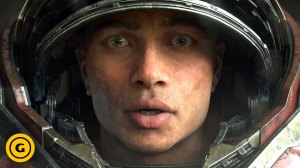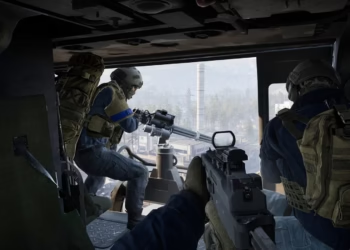

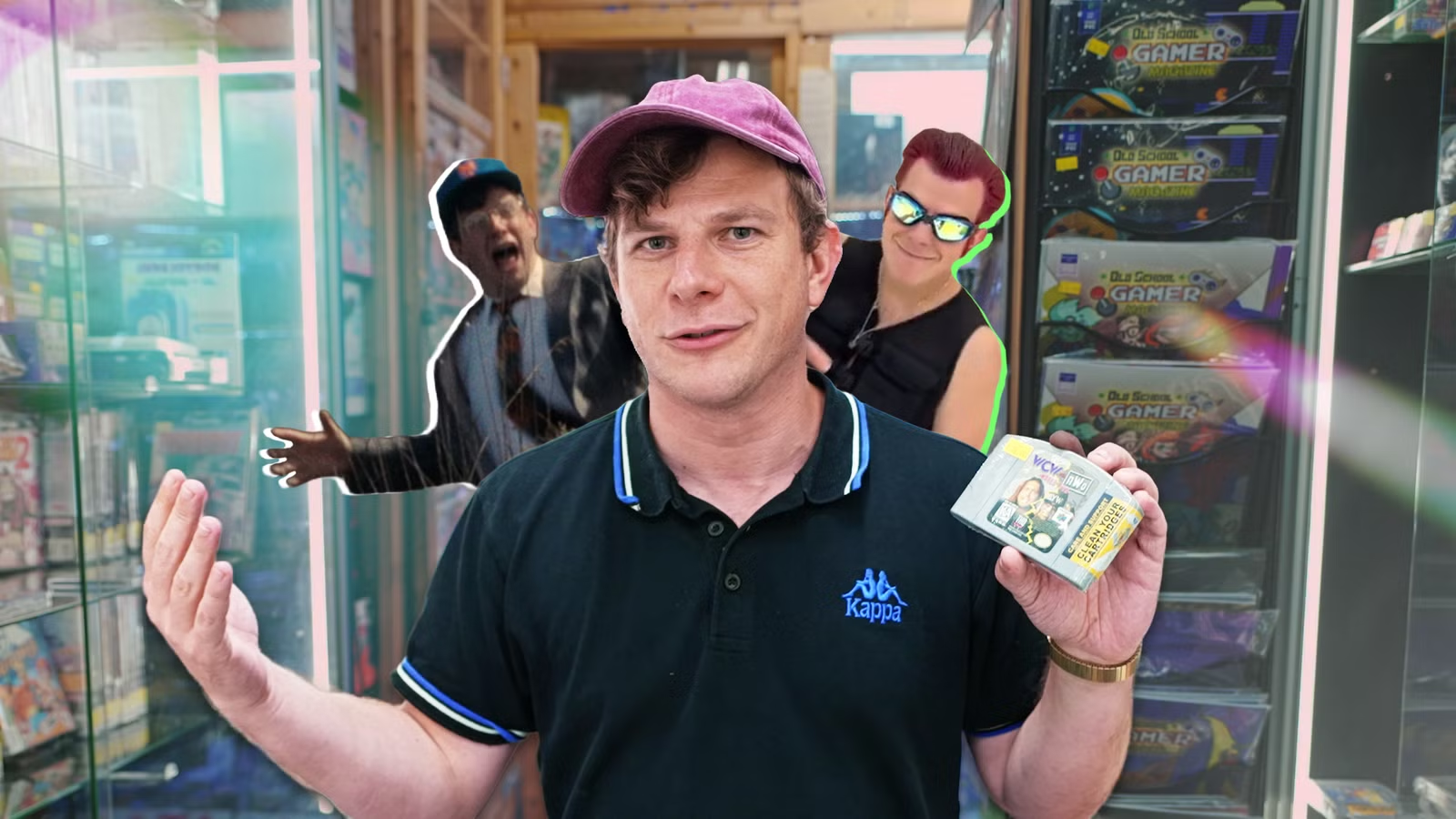
Kyle Gordon’s love of terrible video games is almost as entertaining as his music. In a new episode of Polygon’s Shelf Quest, the comedian behind “Mr. Jambo” and the DJ Crazy Times persona looks back at the games that shaped his sense of humor, including Superman 64, Buck Bumble, Bomberman Hero, NBA Street Vol. 2, Tony Hawk’s Underground, and Medal of Honor.
For gamers, the appeal is immediate. Gordon is not presenting a carefully curated list of classics. He is celebrating the strange, uneven, frequently embarrassing games that become permanent parts of childhood memory. His choices suggest that the emotional impact of a game can survive long after its frame rate, controls, or design decisions have become difficult to defend.
Superman 64 Was the Perfect Childhood Trap
Gordon’s gaming history begins with one of the Nintendo 64 era’s most infamous releases: Superman 64. He recalls saving his allowance to buy the game, despite strict rules around video games at home. That combination of anticipation, scarcity, and childhood optimism made the eventual experience even more memorable.
His description of the game is blunt but revealing. Gordon argues that if someone wants to make something truly bad, they should make sure eight-year-olds become attached to it, because children are willing to overlook flaws that older players immediately recognize. It is a joke, but it also captures a familiar truth about licensed games and childhood nostalgia: disappointment does not always cancel out affection.
Superman 64 was released for Nintendo 64 in 1999 after a troubled development at Titus Interactive. The game became notorious for its awkward controls, collision problems, heavy fog, and repetitive ring-based challenges. Yet for players who encountered it at the right age, those flaws could become part of the story rather than the end of it.
Buck Bumble, Bomberman Hero, and the Sound of the N64 Era
Gordon’s affection for Buck Bumble is especially fitting. The 1998 Nintendo 64 shooter is remembered by many players less for its campaign than for its aggressively memorable theme song, a piece of strange house-music energy that has lived on through remixes and internet culture.
That musical connection helps explain why the game belongs in Gordon’s personal canon. He is drawn to the collision of styles that should not work but somehow remain impossible to forget. Buck Bumble combines an unusual premise with a soundtrack that feels wildly disconnected from the game around it, while Bomberman Hero provides another example of how an eccentric musical identity can become inseparable from a player’s memories.
Neither title needs to be defended as a flawless classic for its influence to make sense. Gordon’s comedy often operates in the space between admiration and mockery, and these games occupy that same territory. Their rough edges are not incidental; they are the reason people still talk about them.
From NBA Street to Tony Hawk, Style Matters
Gordon also points to games that left a stronger impression through their presentation. NBA Street Vol. 2 stands out for its blend of hip-hop and 1970s soul, while Tony Hawk’s Underground represents the punk-heavy attitude that defined much of the early 2000s skateboarding game scene.
These choices show that Gordon’s gaming memories are not built exclusively around quality rankings. He remembers games as complete cultural packages: soundtracks, character designs, menus, catchphrases, and the feeling of playing them at a particular moment in life. For a comedy musician who works heavily with genre imitation, that kind of detail is likely more important than whether a game was technically polished.
It is also why his selections reach beyond Nintendo nostalgia. The list moves across sports, action, licensed superhero games, military shooters, and skateboarding titles, reflecting the way many players actually experienced the sixth-generation era. A game did not need to be a masterpiece to become part of the household rotation.
Why Medal of Honor Hits Differently
Among Gordon’s selections, Medal of Honor occupies a more emotional place. The source interview does not reduce that connection to a single joke or technical feature, suggesting that the series represents something more personal than a memorable soundtrack or a famously bad control scheme.
That contrast gives the conversation more weight. Gordon can laugh at Superman 64 and celebrate the bizarre musical identity of Buck Bumble, but nostalgia is not always ironic. Some games remain important because of where they fit in a player’s life, who they played them with, or what they represented at the time.
That mixture of sincerity and ridicule is also central to Gordon’s appeal. His work, including “Mr. Jambo,” finds comedy in familiar cultural artifacts without treating affection and criticism as opposites. The same game can be badly designed, musically ridiculous, and genuinely meaningful all at once.
Mr. Jambo’s Gaming DNA
Gordon’s third album, Kyle Gordon Is Everywhere, is scheduled for release on October 2, 2026, through BMG. The album’s first single, “Mr. Jambo,” parodies the sound and perspective of a clueless American tourist while drawing on the musical world associated with Paul Simon’s Graceland.
That approach mirrors his video game inspirations. Gordon is interested in recognizable styles, exaggerated personas, and the details that make a cultural artifact instantly identifiable. Whether he is recreating a musical genre or recalling an awkward Nintendo 64 game, the joke works because the affection underneath it feels genuine.
For gamers, the biggest takeaway from Gordon’s Shelf Quest appearance is that nostalgia does not need to be polished. Sometimes the games that stay with us are the ones we bought with saved allowance, struggled through despite obvious flaws, or remembered because their soundtracks made absolutely no sense. In Gordon’s world, that is not a weakness. It is the punchline—and often the point.
Sources
polygon.com
kylegordonisgreat.com
publicnow.com