
Dan Houser is not campaigning for a return to boxed video games, but the Rockstar co-founder believes players who still want physical releases should have that choice. His comments arrive as Sony prepares to end production of physical discs for new PlayStation games beginning in January 2028, turning an already heated format debate into one of the industry’s most consequential policy shifts.
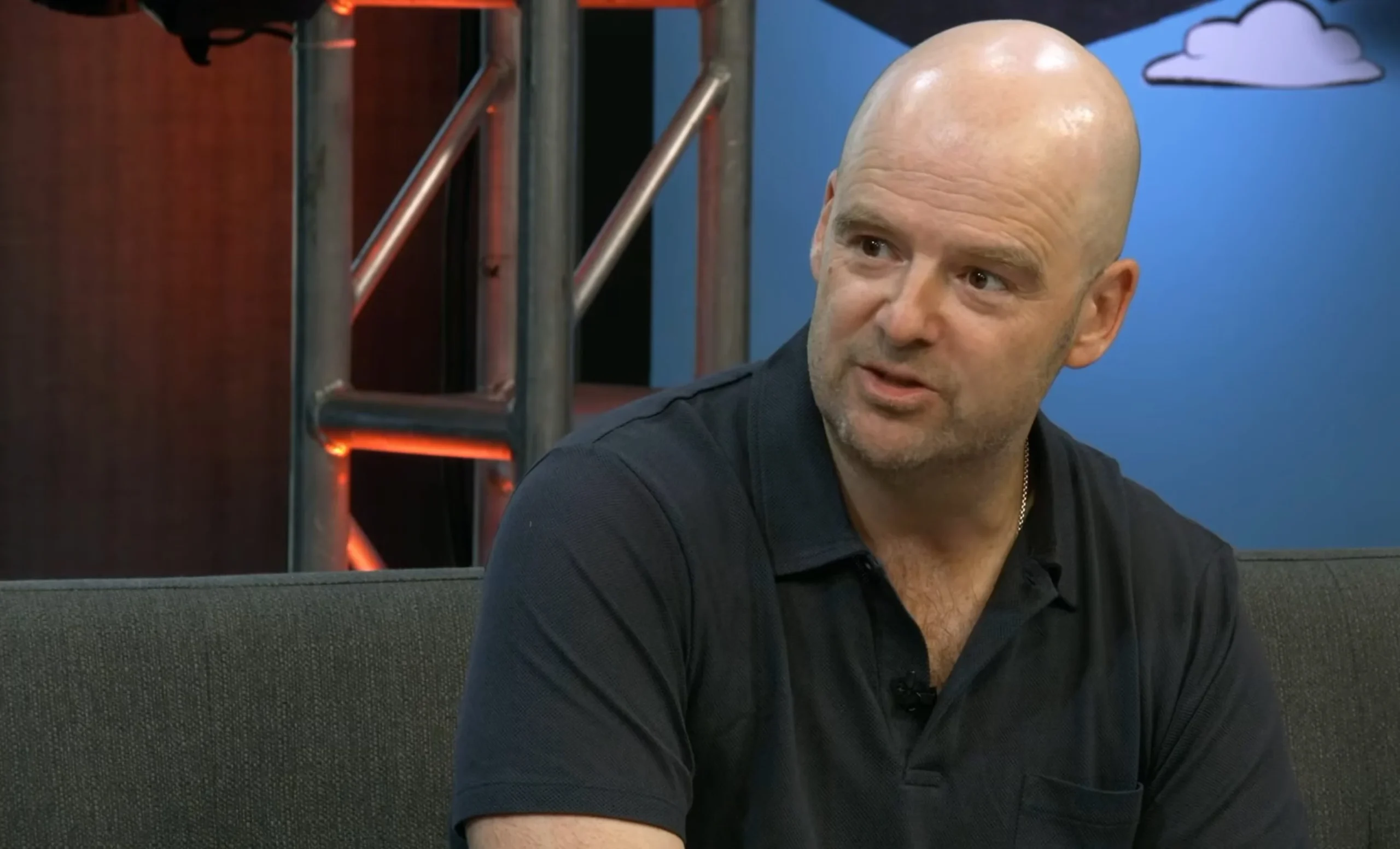
Speaking at San Diego Comic-Con in July 2026 alongside former Rockstar collaborator Lazlow Jones, Houser offered a notably measured position. He said he did not personally care whether games came on discs, but argued that companies should provide physical editions if enough customers want them.
That distinction matters. Houser was not rejecting digital distribution, nor was he presenting physical media as essential to the future of game development. Instead, his view frames the issue as one of consumer choice: digital can be convenient, but that convenience should not automatically eliminate another format for players who value ownership, collecting, resale, preservation, or simply having something tangible on a shelf.
Houser sees value in updates, even as physical media disappears
Houser also acknowledged one of the strongest arguments in favor of modern digital distribution: the ability to update games after launch. Patches have become an unavoidable part of the medium, but they have also allowed developers to fix serious technical problems, improve performance, rebalance gameplay, and expand releases long after they reach stores.
That point is particularly relevant for large-scale games, where development continues through launch and where a disc may represent only the first version of a much larger project. A physical copy can provide a lasting object and, in some cases, a playable baseline. However, the finished experience may still depend heavily on downloads, patches, servers, or additional content.
The result is a complicated middle ground. Physical media can help preserve access to games, but it does not automatically guarantee a complete or permanently self-contained product. At the same time, a digital-only purchase places greater dependence on storefronts, account systems, storage, internet access, and platform-holder policies. Houser’s comments recognize both sides without pretending the format debate has an easy answer.
Lazlow Jones highlights the emotional appeal of a physical product
Lazlow Jones, who worked with Houser on Rockstar’s radio writing and later joined him at Absurd Ventures, described the issue from a similarly balanced perspective. He noted the satisfaction of receiving a boxed game and putting the disc into a console, while also pointing to the practical advantages of digital downloads.
His example was straightforward: digital games are useful when traveling, particularly on portable hardware such as the Steam Deck. A player can download several titles before a long flight without carrying cartridges, discs, or cases. For convenience-focused players, that flexibility is difficult for physical releases to match.
Jones drew a sharper distinction between games and comics. Absurd Ventures is currently producing American Caper, a physical crime-fiction comic created and written by Houser with additional writing from Jones. The company has released multiple issues and is collecting the opening chapters in a trade paperback, giving the pair a direct comparison between creating digital entertainment and producing a physical publication.
For Jones, holding the finished comic provides a different kind of creative satisfaction. After years of working primarily in digital entertainment, a printed book makes the result feel especially concrete. Houser agreed, enthusiastically expressing his affection for physical media in the context of books and comics.
Sony’s 2028 decision raises bigger questions than discs
Sony’s policy is narrower than the most dramatic interpretations of the news suggest. The company has said that production of physical discs for new games releasing on PlayStation consoles will end in January 2028. Games already released, or games scheduled to launch on disc before that date, are not affected by the announcement.
Even so, the change represents a major shift for a platform holder with decades of history built around boxed software. PlayStation has long supported physical games across multiple generations, making the move more significant than the gradual decline of boxed releases on PC. Console players have traditionally relied on retail copies for lending, collecting, trading, buying used games, and maintaining access when online storefronts change.
The backlash also reflects a broader concern about control. Digital purchases are often more convenient, but they can be harder to preserve independently and cannot usually be resold in the same way as a disc. Physical games are not perfect preservation tools, especially when they require large patches or online services, yet they remain one of the clearest ways for players to retain access outside a platform’s storefront.
For Sony, the decision is an understandable response to the industry’s continuing shift toward digital sales. For players, however, the issue is not simply whether downloads are popular. It is whether the remaining physical audience is large enough to justify continued support—and whether platform holders should maintain that option even when it is no longer the dominant format.
Absurd Ventures is still building its game future
Houser’s remarks came during a discussion of Absurd Ventures, the company he founded after leaving Rockstar in 2020. The studio is currently working on two open-world video games, according to the Comic-Con conversation.
Specific details remain limited. Houser described one project as a comedy action-adventure game, while saying the other is “definitely less of a comedy.” No release dates, platforms, gameplay systems, or distribution plans have been announced for either title.
That makes it too early to assume whether Absurd Ventures will embrace physical releases, digital-only distribution, or a hybrid approach. Still, Houser’s position suggests that if the company’s games eventually reach consoles, he would see value in offering a disc edition if there is genuine demand for one.
The physical-media debate will not be settled by a single executive’s opinion. Digital distribution offers undeniable advantages, especially for large games that need ongoing support. But Houser’s argument is difficult to dismiss: if a meaningful audience wants physical games, publishers should at least consider giving them the option rather than treating convenience as a reason to remove choice altogether.
Sources
videogameschronicle.com
blog.playstation.com
absurdventures.com