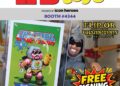


AnimeNation’s John has opened another stack of Japanese import orders, and this latest haul is less a conventional merchandise roundup than a tour through the stranger corners of anime, manga, and Japanese game collecting. The August 30, 2026 unboxing brings together early character history, creator rarities, vintage manga, and a sealed Japanese PlayStation game.
The collection’s most notable pieces include what is described as Hello Kitty’s first comic appearance, Yoshitoshi Abe’s first published work, the first appearance of Kodomo no Omocha, an obscure manga translated into English, and more. Rather than focusing on one franchise, the haul highlights how varied Japanese pop-culture collecting can become once a fan starts looking beyond standard DVDs, Blu-rays, and mass-market figures.
John explained that he had accumulated enough import deliveries to warrant opening them all at once. The practical motivation was familiar to any collector: make room, clear out the backlog, and turn the process into a video for viewers. The result is a batch of purchases built around historical curiosities as much as entertainment value.
Early Hello Kitty history gets collector treatment
The Hello Kitty item is one of the biggest conversation starters in the haul. Sanrio’s iconic character was created in 1974, but Hello Kitty did not begin as an animated character or manga star. Her earliest appearances were tied to merchandise, including the famous vinyl coin purse introduced in Japan in the mid-1970s.
That makes an early comic appearance especially interesting for collectors. It represents a different stage in the character’s development, before Hello Kitty became the global lifestyle brand recognized today. For longtime Sanrio fans, items like this offer a glimpse at how the character moved from stationery and small goods into a much broader media presence.
The exact publication details of the comic are not provided in the AnimeNation post, so the item’s importance rests on the description of it as Hello Kitty’s first comic appearance. That distinction is worth keeping an eye on, since “first appearance” can refer to different formats, markets, or editions in character collecting.
Abe, Kodocha, and the appeal of first works
Another standout is the first published work by Yoshitoshi Abe, the artist best known internationally for his character designs and creative work on Serial Experiments Lain, NieA_7, and Haibane Renmei. Bibliographic references identify Abe’s manga debut as Ame no Furu Basho, published in Monthly Afternoon in 1994.
For collectors, early creator work often carries a special appeal even when the material is less familiar than the artist’s later hits. A debut can reveal an artist before their signature style is fully established, while also connecting directly to the history of the magazines and contests that helped launch their careers.
The haul also includes the first appearance of Kodomo no Omocha, the shōjo manga better known to many fans as Kodocha. Miho Obana’s series was serialized in Shueisha’s Ribon magazine beginning in 1994, eventually becoming a major title in the magazine’s lineup and receiving an anime adaptation. The early appearance is a particularly attractive find because it captures the franchise at the beginning of its print history, before the characters became familiar to a wider anime audience.
Vintage games and hard-to-find English manga
Not every item in the video is a major franchise artifact. John also shows a sealed Japanese PlayStation game and an obscure manga that has received an English translation. The post does not identify either title, leaving the appeal centered on the objects themselves: one preserved as an unopened piece of Japanese game history, the other representing a work that managed to cross the language barrier despite remaining relatively obscure.
Sealed Japanese PlayStation software has a particular charm for retro collectors. The original packaging, regional release, and condition can be just as important as the game inside, especially when the item comes from a period when Japanese console releases were often packaged differently from their North American counterparts.
The English-translated manga adds another layer to the haul. Translation does not automatically make a work widely known, and obscure editions can become valuable precisely because they document what publishers once considered worth introducing to an overseas audience. It is the kind of purchase that may be more interesting to dedicated manga historians than to casual shoppers.
For viewers, the bigger surprise is likely the range of the collection. This is not simply an unboxing of new releases; it is a snapshot of several kinds of fandom at once, from Sanrio memorabilia and shōjo manga history to creator bibliographies, retro games, and overlooked translations.
AnimeNation’s August 30 video is therefore worth watching for anyone interested in the stories behind collectibles, not just the items themselves. The titles and editions shown in the footage may prompt further questions about publication history, rarity, and how these pieces fit into the larger development of Japanese popular culture.
Sources
animenation.net
sanrio.com
wikipedia.org