
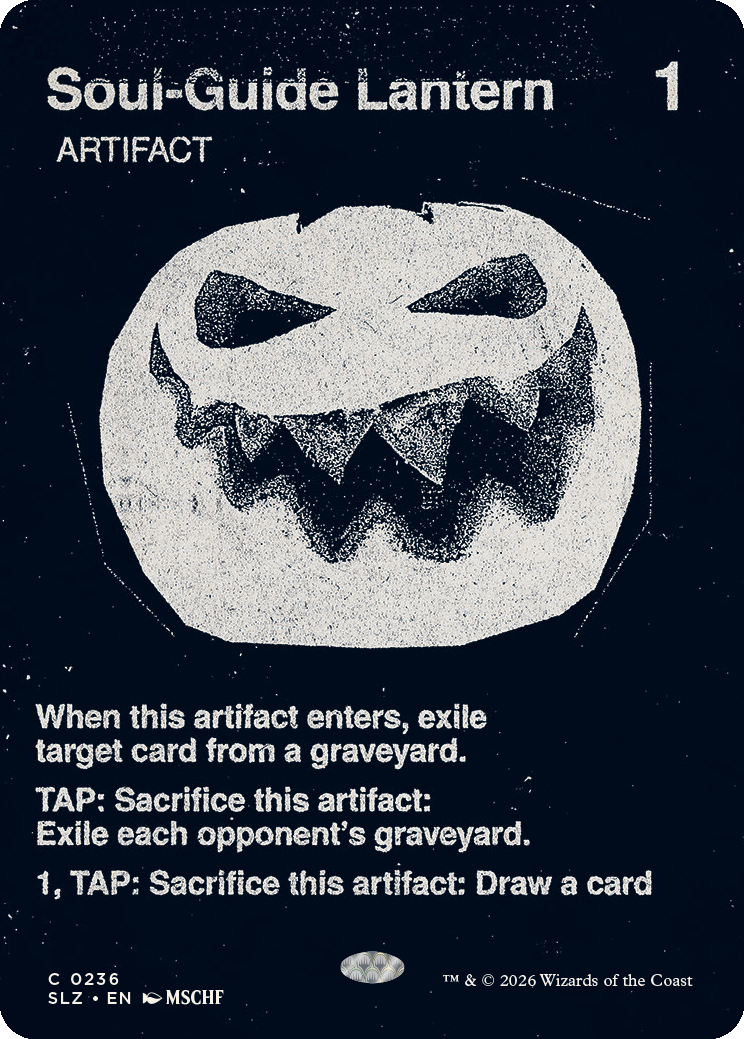
Magic: The Gathering is turning one of its scrappiest pieces of history into a randomized collector release with Secret Lair x MSCHF: The Zeta Set. Rather than presenting a conventional five-card Secret Lair drop, Wizards of the Coast and MSCHF have built a seven-card “Zeta Booster” around the photocopied, cut-and-paste appearance of Magic’s earliest playtest cards.
The concept is immediately appealing to collectors who appreciate production history, unusual packaging, and intentionally imperfect presentation. It is also a particularly fitting collaboration: Magic’s original playtest cards were rough prototypes assembled from whatever materials were available, while MSCHF has built its identity around recontextualizing familiar cultural objects into strange, limited-edition art pieces.
Originally announced for September 2, 2026, the release is priced at $19.92, a reference to the year Magic was being playtested before its commercial debut. The official Secret Lair store currently lists shipping beginning November 5, 2026.
A Secret Lair Built Around the Prototype Era
The Zeta Set draws from the earliest Magic playtest materials, when cards were printed on paper, cut apart, and circulated among the designers for testing. Those early pieces were never intended to be polished collectibles. Their charm came from improvised layouts, borrowed imagery, handwritten notes, and the unmistakable look of something assembled at a desk rather than manufactured on a production line.
That history gives the release a different identity from most Secret Lair products. Instead of treating the cards as premium art objects, the Zeta Set intentionally makes them look like artifacts from Magic’s development process. The visual language includes public-domain imagery, original MSCHF photography, and photocopied treatments designed to suggest repeated passes through an unreliable office printer.
The cards are presented in three primary styles. Photocopy provides the standard black-and-white treatment, Photocopy Negative reverses the visual effect, and Color Banding introduces a jittery CMYK distortion inspired by printer misalignment.
From a collector standpoint, the appeal is less about pristine illustration reproduction and more about whether the release successfully sells the illusion of a rediscovered prototype. That makes the manufacturing aesthetic central to the product rather than a secondary embellishment.
Randomized Packs and a 121-Card Pool
Each Zeta Set contains one sealed Zeta Booster with seven randomized Magic cards. The breakdown is three commons, two uncommons, one wildcard of any rarity, and one rare or mythic rare.
The full pool consists of 121 cards: 52 commons, 39 uncommons, 20 rares, and 10 mythic rares. The rare slot has an approximate three-to-one ratio favoring rares over mythic rares, while the wildcard slot can produce cards from across the rarity spread. Wizards has also published more detailed odds for the wildcard slot, making this a more transparent randomized product than many collector-focused blind releases.
Every card can appear in one of the three print treatments, although they are not equally common. Photocopy Negative cards have a listed 10 percent chance of appearing, while Color Banding cards have a 5 percent chance. That structure gives the release an additional layer of chase appeal without turning the entire product into a premium foil hunt.
The set’s card selection reportedly stretches from early Magic icons to modern Commander favorites. That mixture is important. A release built entirely around vintage cards might primarily target longtime players, while the inclusion of contemporary Commander staples gives newer collectors a reason to pay attention as well.
The Packaging Is Part of the Collectible
Wizards is packaging the booster inside a sealed envelope designed by MSCHF to evoke the handmade presentation of early playtest materials. For collectors, that detail may be just as important as the cards themselves. Secret Lair products are often purchased as display pieces, and the envelope gives the Zeta Set a more distinctive shelf presence than a conventional booster wrapper.
It also reinforces the release’s central idea: this is supposed to feel like something passed from hand to hand during Magic’s experimental phase. The envelope, print treatments, and randomized contents all work toward the same fiction of a forgotten or unofficial test release.
That approach should appeal to collectors who display oddball TCG products, prototype-inspired memorabilia, artist collaborations, and alternate-format cards. It may be less attractive to players who prioritize competitive utility, traditional illustration, or predictable contents.
A Product With Real Gameplay Implications
Although the Zeta Set is clearly positioned as a collectible novelty, it is not entirely separate from Magic’s competitive ecosystem. Wizards confirmed that the common cards from the release affect tabletop Pauper legality, with the relevant changes taking effect September 7, 2026.
That is a notable wrinkle. A randomized Secret Lair collaboration can function as a display item, a conversation piece, and a source of playable cards at the same time. Collectors who normally ignore Secret Lair drops because of their limited gameplay relevance may find the Pauper connection worth watching, particularly if cards from the common pool influence deck construction or metagame discussions.
It also demonstrates how unusual the Zeta Set is within the Secret Lair format. The product is visually experimental, randomized rather than fixed, and connected to an officially recognized playtest aesthetic, yet some of its contents still enter the ordinary rules environment.
The Launch Was Not Entirely Smooth
The September 2 sale generated a significant operational problem for Wizards. In a statement published September 3, the Secret Lair team described the sale experience as a disaster and said it was investigating possible internal systems issues or external tampering. Customers reported uncertainty surrounding queues, order confirmations, duplicate emails, and whether purchases had successfully processed.
Wizards said it was working through completed, failed, and potentially duplicated orders. That means collectors should treat the official store’s current order status and shipping information as more reliable than informal assumptions about availability or sellout conditions.
At the time of writing, the official product page lists the Zeta Set with a November 5 shipping start in the United States. The release remains a limited, while-supplies-last product, but there is no need to confuse the sales-system problems with a confirmed sellout or established aftermarket demand.
Who Should Collect It?
The Zeta Set is most likely to satisfy collectors who enjoy the history and material culture of Magic as much as the game itself. It has strong crossover appeal for TCG collectors, art-toy enthusiasts, MSCHF followers, and hobbyists who appreciate unconventional packaging or deliberately distressed presentation.
Its greatest strength is that the concept is coherent from top to bottom. The randomized cards, photocopied graphics, envelope packaging, public-domain imagery, and $19.92 price reference all support the same central idea. This is not simply a set of alternate-art cards with a retro filter applied afterward; the entire product is built around the mythology of early experimentation.
The main weakness is equally clear: randomized contents make it difficult for collectors chasing specific cards or treatments to control the final result. Seven cards from a 121-card pool offers excitement, but it also creates the possibility of duplicates and limited access to particular chase cards. The release is best approached as an experience-driven collectible rather than an efficient way to acquire a complete set.
Collector verdict: The Zeta Set is a clever and unusually focused Secret Lair experiment. It should have the strongest appeal for Magic historians, MSCHF collectors, Commander players, and hobbyists who enjoy artifacts that look intentionally homemade. Those seeking premium illustration, fixed contents, or a conventional high-end card product may find the photocopied aesthetic and blind-pack format less compelling, but the collaboration’s visual identity is difficult to mistake for anything else on the Secret Lair calendar.
Sources
- actionfigureinsider.com
- magic.wizards.com
- secretlair.wizards.com