
Masayasu Sagisu, the anime producer and director associated with landmark television series including Tetsujin 28, 8 Man, Super Jetter, Space Boy Soran, and Sazae-san, has died at 93. His death was announced on Friday, July 31, by his nephew, composer Shiro Sagisu, bringing renewed attention to a behind-the-scenes figure from the formative years of Japanese television animation.
Sagisu died on July 12, 2026, according to the announcement reported by Anime News Network. A private funeral was held for family members. While modern webtoon readers often encounter creators through prominent writer and artist credits, Sagisu’s career represents an earlier production model in which directors, producers, and studio teams helped establish the visual language and long-running workflows that shaped anime as a mass medium.
A Career Connected to Anime’s Early Television Era
Born in Tokyo in 1932, Masayasu Sagisu worked as a director and producer at Eiken, the studio formerly known as TCJ Animation. Eiken’s history reaches back to the early development of Japanese television animation, and the company continues to identify its classic productions as an important part of anime’s formative period.
Sagisu’s reported credits include several titles that helped define the possibilities of serialized animated storytelling for Japanese television. The list ranges from science-fiction and superhero-inspired adventures such as Tetsujin 28 and 8 Man to family-oriented programming represented by Sazae-san. These works differ greatly in tone, but together they reflect the expanding range of stories that television animation was beginning to support.
For readers who follow webtoons and manhwa, that history may feel especially relevant. Contemporary digital comics are frequently discussed through their creators, platforms, and adaptation announcements, yet the success of any serialized story also depends on production structures capable of sustaining characters, settings, and audience expectations over time. Sagisu worked within one of the studio systems that helped make that kind of long-form entertainment possible in Japan.
The Lasting Importance of Sazae-san
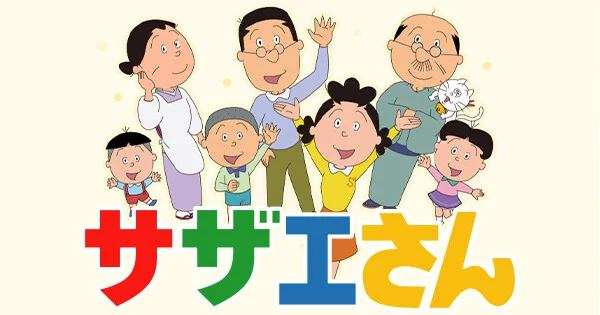
Among the titles connected to Sagisu’s career, Sazae-san holds a particularly distinctive place. Based on Machiko Hasegawa’s newspaper comic, the anime began broadcasting in Japan on October 5, 1969, and remains one of the country’s most enduring television programs. Eiken describes the series as a depiction of the everyday life of the Isono family, combining familiar domestic situations with a strong sense of seasonal rhythm.
That deceptively simple format has given Sazae-san an unusual form of longevity. Rather than relying on a single escalating plot, the series is built around recurring family relationships, recognizable routines, and small moments of comedy. In that respect, it offers an instructive contrast to many modern webtoons, where each episode is often designed around a cliffhanger, romantic breakthrough, mystery reveal, or action set piece.
Yet the two formats share an important foundation: serialized storytelling depends on the ability to make audiences return to a familiar world. Sazae-san does so through continuity of character and atmosphere, while many webtoons use vertical-scroll pacing and frequent narrative hooks. Sagisu’s work belongs to an earlier generation, but its emphasis on sustainable series production remains recognizable to anyone following today’s digital-comics adaptations.
A Family Connection to Anime History
Masayasu Sagisu was the younger brother of director and producer Sōji Ushio, who was also known by the names Fujio Sagisu and Tomio Sagisu. Sōji Ushio was the father of Shiro Sagisu, the composer who announced his uncle’s death.
That family connection links Masayasu Sagisu to another important branch of Japanese animation history. Shiro Sagisu is widely known for his work as a composer, while Masayasu Sagisu and Sōji Ushio worked in directing and production. Their careers illustrate how anime has often been shaped not only by individual auteurs, but also by professional networks and families whose contributions span multiple creative disciplines.
Remembering a Behind-the-Scenes Contributor
Directors and producers rarely receive the same immediate recognition as performers or headline creators, especially when their work is spread across decades of television production. Nevertheless, their influence can be felt in the structure, consistency, and reach of the series they help bring to audiences.
Masayasu Sagisu’s reported body of work crossed genres and generations, from early science-fiction adventures to the enduring domestic comedy of Sazae-san. His death marks the passing of a contributor whose career was intertwined with the development of Japanese television anime, and whose work remains part of the medium’s long-running creative legacy.
Sources
- animenewsnetwork.com
- eiken-anime.jp
- sazaesan.jp
- fujitv.com