
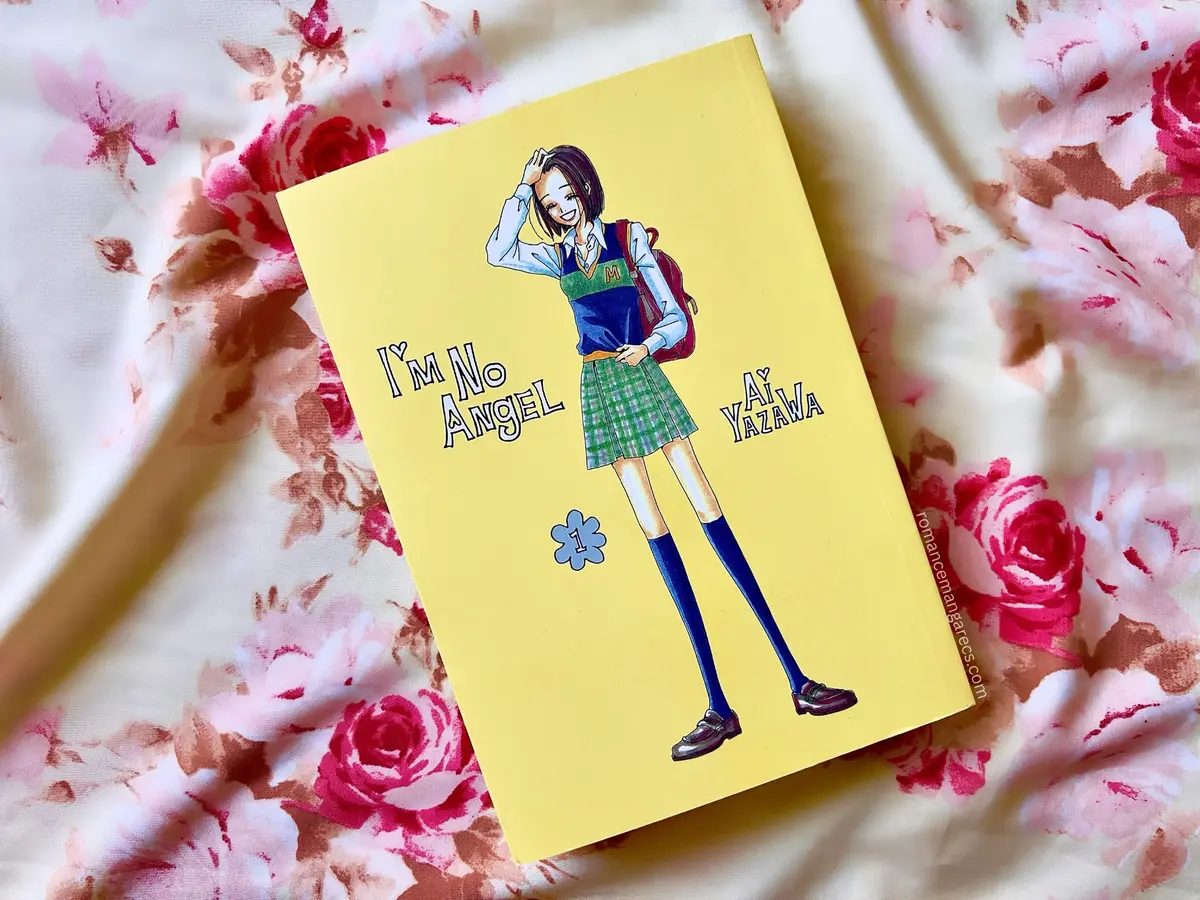
Ai Yazawa’s I’m No Angel is finally receiving an official English release from VIZ, bringing one of the creator’s early shoujo romances to a new generation of readers. Originally published in Japan as Tenshi Nanka Ja Nai, the series offers a bright, emotionally charged look at student-council life, first love, friendship, and the growing pains that would later become hallmarks of Yazawa’s best-known work.
A Classic School Romance With More Feeling Than Its Premise Suggests
The story follows Midori Saejima, an energetic first-year student at a brand-new high school. Before she even knows his name, Midori falls for a mysterious boy after seeing him rescue an abandoned kitten in the rain. Her crush becomes much more complicated when she discovers that the boy, Akira Sudo, is also running for the student council.
Once Midori and Akira are elected, their school responsibilities give them plenty of opportunities to grow closer. The student council becomes the center of a lively teenage world filled with friendships, school events, embarrassing mishaps, emotional misunderstandings, and romantic tension. VIZ describes the series as a story about Midori’s journey into love and adulthood, and that description captures its appeal: this is a romance about feelings that seem enormous because, to the characters, they are.
At first glance, I’m No Angel may sound like a familiar “good girl falls for the bad boy” setup. Midori is cheerful, expressive, and widely associated with an angelic image, while Akira has the pompadour, leather jacket, motorcycle, and guarded attitude associated with a delinquent archetype. Yet Akira is not truly a dangerous rebel. His kindness is visible from the beginning, and the real mystery lies in the sadness and emotional conflict beneath his appearance.
Midori and Akira Carry the Melodrama
Midori is intentionally old-school in the best and most recognizable shoujo sense. She cries easily, wears her heart openly, and sometimes turns ordinary moments into grand emotional events. That could make her overwhelming in a less carefully written story, but her sincerity gives the character much of her charm. She is not simply cheerful or “nice”; she is also insecure, impulsive, thoughtful, and determined to support the people around her.
Akira is more difficult to understand. His apparent coolness creates the romantic tension, but his appeal comes less from being a conventional bad boy than from the contrast between his intimidating image and his gentler instincts. His choices can be frustrating, particularly when the story’s romantic complications begin to build, but that frustration is part of the series’ emotional design. Yazawa is interested in characters who make mistakes, conceal their feelings, and struggle to behave sensibly when love is involved.
The supporting cast also matters more than the basic premise might suggest. Mamiya, whose personality contrasts sharply with Midori’s, gradually becomes one of the story’s most rewarding characters. Her relationship with Midori adds warmth and dimension to the series, reminding readers that I’m No Angel is not only about whether its central couple will get together. It is also about the friendships that shape adolescence and the people who become part of one another’s most important memories.
Ai Yazawa’s Early Art Shows Her Style Taking Shape
Readers coming directly from Nana or Paradise Kiss may notice that I’m No Angel has a distinctly early-1990s visual identity. The character designs are more traditionally sparkly, the expressions are often larger than life, and the storytelling embraces the heightened visual language of classic shoujo manga.
That throwback quality is part of the attraction. Midori’s dramatic reactions, Akira’s rockabilly-inspired design, and the series’ expressive character acting give the manga a visual personality that feels very different from contemporary romance titles. The art also develops as the story progresses, gradually moving toward the sharper, more recognizable Yazawa style associated with her later works.
Fashion and character presentation are another strength. Yazawa gives the cast distinctive silhouettes and varied designs rather than allowing everyone to blend into a uniform school setting. Midori’s outfits and hairstyles change throughout the story, while the supporting characters receive enough visual individuality to remain memorable outside the central romance.
Where the Series Feels Dated—and Why That Still Works
Recent reviews of the English edition have emphasized that I’m No Angel is more conventional than Yazawa’s later, edgier work. The first volume includes familiar shoujo ingredients such as school festivals, exaggerated emotional beats, accidental comedy, and a tough-looking boy caring for a kitten. Readers expecting the intensity or fashion-world sophistication of Paradise Kiss may find the series comparatively straightforward.
That does not make the manga uninteresting. Instead, its appeal depends on whether the reader enjoys the rhythms of classic school romance: everyday interactions between larger dramatic moments, earnest declarations, sudden tears, and emotional problems that cannot be solved with one perfectly timed conversation.
The pacing can occasionally feel as though it is circling around its central conflicts. Plot developments may seem disconnected before later chapters reveal how they fit into the larger emotional structure. The story rewards patience, particularly for readers who enjoy gradual character development and melodrama more than constant plot acceleration.
Some period-specific material may also feel uncomfortable or dated to modern readers, and the series does not always handle every romantic or comedic beat with contemporary sensibilities. That is worth keeping in mind before starting, especially for readers who prefer modern shoujo conventions. Still, the manga’s emotional sincerity remains easy to recognize beneath its older style.
Who Should Read I’m No Angel?
I’m No Angel is a strong recommendation for readers who enjoy dramatic first love, school-life romance, emotionally expressive protagonists, and supporting casts with their own interpersonal tensions. Fans of Yazawa’s Nana, Neighborhood Story, and Last Quarter will likely find it especially interesting as an early look at the ideas and visual instincts she would continue developing throughout her career.
Readers who enjoyed the emotional intensity of MARS may also appreciate the combination of romance, inner conflict, and a seemingly tough male lead whose vulnerability gradually becomes more important than his image. The tone is lighter and more conventionally youthful, but the central relationship still relies on the same kind of emotional push and pull that keeps classic shoujo romances compelling.
VIZ’s English edition gives newcomers a chance to experience this lesser-known part of Yazawa’s catalog in an official release, while longtime fans can watch her signature storytelling evolve from its early-1990s foundations. It may not be the most subversive or modern school romance available, but I’m No Angel understands why the genre works: first love feels awkward, overwhelming, embarrassing, hopeful, and completely real all at once.
Sources
- romancemangarecs.com
- viz.com
- shueisha.co.jp
- publishersweekly.com
- siliconera.com
- theouterhaven.net
- beneaththetangles.com