

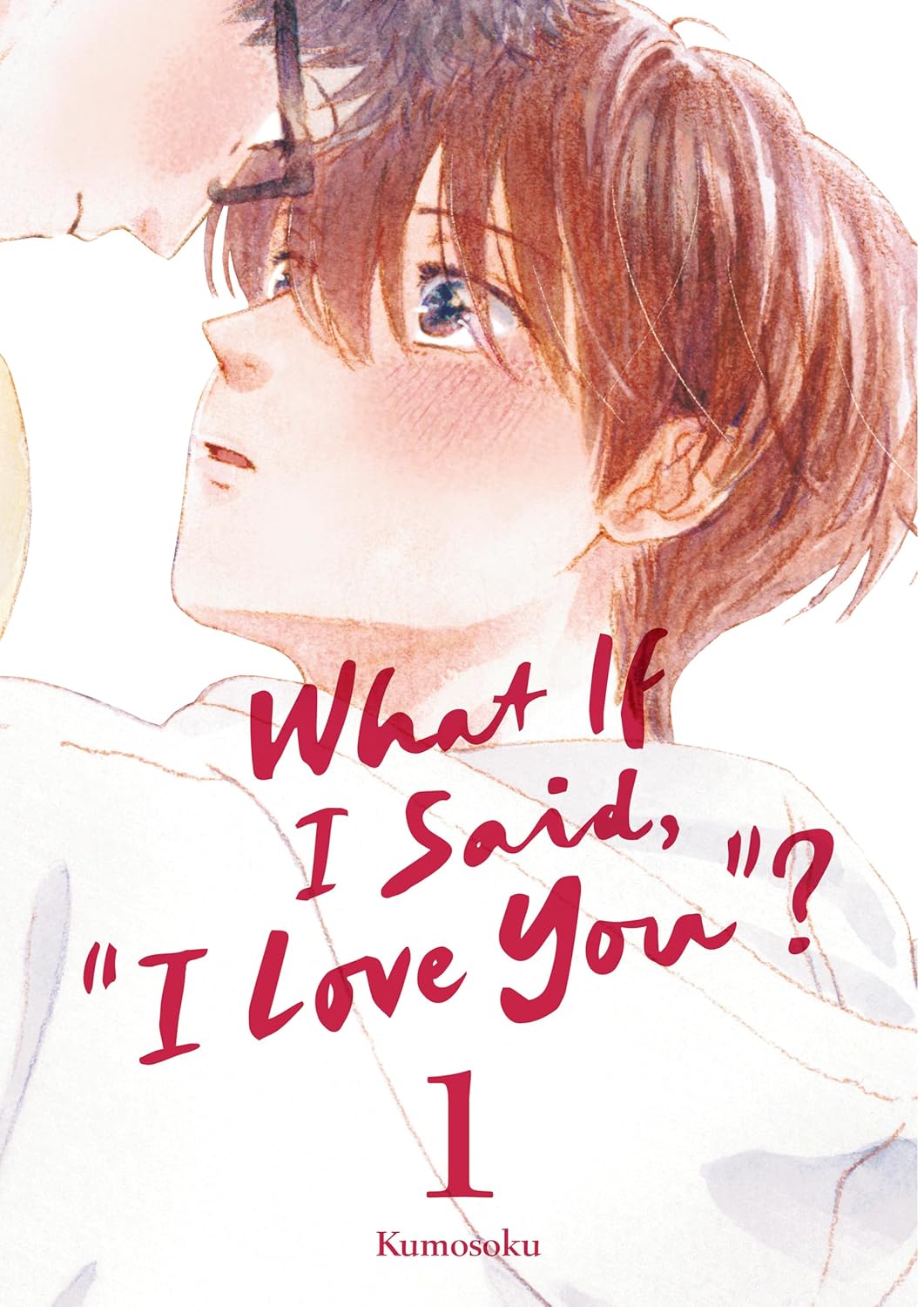
Kumosoku’s What If I Said, “I Love You”? makes its English-language debut with a tender, slow-burning story about two childhood friends who can no longer pretend their relationship has stayed the same. Published by Kodansha Comics in print and digital formats, Volume 1 follows Kazuho and Tokio as an awkward confession threatens to transform years of familiar closeness into something much more complicated.
The series is Kumosoku’s debut manga and is currently ongoing. Kodansha lists the first volume at 176 pages, with the paperback edition released on June 30, 2026. A second volume is scheduled for September 15, 2026, giving readers a relatively quick chance to see what happens after the emotional cliffhanger at the heart of this opening book.
A childhood friendship reaches a breaking point
Kazuho and Tokio grew up together, once enjoying the kind of easy physical affection that comes naturally to children who have known each other forever. By the time they reach high school, however, that familiarity has become a source of anxiety for Kazuho. He is still drawn to Tokio, but his feelings have shifted beyond friendship, and he responds by trying to create distance between them.
That emotional gap becomes impossible to ignore when classmates suggest celebrating the end of final exams with fireworks. The setup initially feels like a classic school-romance situation: a summer event, a group of friends and the possibility that someone might finally admit their feelings. But rain threatens to derail the plan, and the more intimate turning point arrives when Kazuho and Tokio are caught in a downpour on their way home.
After Tokio comes to Kazuho’s aid with an umbrella that is barely holding together, the pair end up soaked while sheltering from the weather. The scene gives Kazuho’s carefully guarded emotions nowhere left to hide. When Tokio directly asks whether Kazuho is in love with him, Kazuho panics and runs into the rain. The next day, he does not show up at school.
It is a familiar romantic premise, but the manga’s strength comes from how carefully it observes the small moments leading up to that confession. The story is less interested in rushing from one dramatic development to another than in showing how an everyday gesture, a pause or a look can suddenly carry a completely different meaning.
A visual approach built around silence
One of the most distinctive aspects of Volume 1 is the amount of storytelling Kumosoku places outside the dialogue. There are many panels in which characters simply look, hesitate, move closer or pull away. Rather than explaining every emotional beat, the manga often leaves readers to sit with the image and interpret what Kazuho and Tokio are unable—or unwilling—to say.
That approach makes the volume especially attractive. Kumosoku’s character art is expressive without becoming overly theatrical, and the larger trade paperback format gives the artwork room to breathe. The result is a romance that can feel almost cinematic in its quietest scenes, particularly when the characters’ body language contradicts their attempts to act normally.
The slower pacing will not work for every reader. The opening volume spends considerable time establishing the emotional distance between Kazuho and Tokio, and readers looking for a more immediately playful or fast-moving BL romance may find the progression restrained. For those willing to follow the story at its chosen pace, though, the deliberate rhythm helps make the confession feel like the culmination of accumulated tension rather than a sudden plot device.
A promising debut with a few rough edges
The main weakness is one of clarity. The volume does not always make it immediately obvious which surname belongs to which character, and some dialogue balloons can make it difficult to identify the speaker at a glance. Those are small issues, but they become more noticeable in a story that depends so heavily on subtle exchanges and understated reactions.
The English edition is translated by Diana Taylor and lettered by Jamil Stewart. Together, their work keeps the conversations natural while preserving the hesitant, emotionally guarded tone of the original material. The volume also includes a brief creator’s note, including Kumosoku’s self-deprecating admission about the challenge of drawing glasses—a charming glimpse at the learning curve behind this debut.
Kodansha positions the series as a warmhearted friends-to-lovers BL romance for readers who enjoy Love on the Horizon, My Summer of You and Sasaki and Miyano. It does not yet have the mischievous energy of Shou Harusono’s work or the finely tuned character interplay associated with Nagisa Furuya, but the comparison makes sense in terms of audience and emotional focus.
The bigger surprise is how much confidence Kumosoku shows in letting images carry the relationship. What If I Said, “I Love You”? Volume 1 is a visually polished debut with a deliberately gentle pace, and its central question is less whether Kazuho and Tokio have feelings for each other than whether they can survive the moment those feelings are spoken aloud. Volume 2 should reveal whether their friendship can withstand the confession—or whether the two boys will finally begin building something new.
Our review copy was supplied by Kodansha through Diamond Book Distributors UK.
Sources
kodansha.us
penguinrandomhouse.com