
A new Kickstarter campaign is seeking to preserve four storage units filled with material connected to Harvey Pekar, Joyce Brabner, and the history of American Splendor. For comic readers, collectors, and anyone interested in the roots of modern autobiographical comics, the project represents a chance to protect original pages, personal records, and other artifacts that could otherwise be lost.
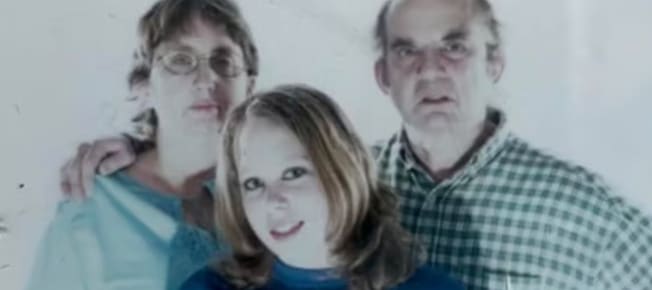
Titled His Name Was Harvey Pekar, the campaign was launched by Danielle, who grew up in Pekar and Brabner’s household. The fundraiser is focused on securing the storage spaces and then carefully sorting, protecting, and digitally archiving their contents.
A preservation effort built around original material
The campaign has set a $12,000 goal. According to the campaign information published on August 3, 2026, it was approximately three-quarters funded, with the fundraiser scheduled to end at 9:00 p.m. EDT on Tuesday, August 18, 2026.
The money is intended to support practical preservation work rather than a conventional publishing or production project. Planned expenses include archival boxes, document sleeves, climate protection, and the time required to examine thousands of pages and related materials.
That distinction matters. Original comic pages, correspondence, notes, drafts, and other paper records can deteriorate quickly when they are stored in unstable conditions. Once damaged, these materials are often impossible to replace. Digital scanning can make information more accessible, but it depends on the physical documents surviving long enough to be properly cataloged.
The campaign also states that the material is being handled separately from broader complications involving Pekar’s comics and estate. That makes the fundraiser a targeted preservation effort rather than an attempt to resolve ownership or publishing questions.
Why American Splendor history still matters
Harvey Pekar’s American Splendor began as an irregularly published autobiographical comic in 1976. Rather than building stories around superheroes, fantasy worlds, or conventional adventure plots, Pekar wrote about work, money, illness, relationships, irritation, routine, and the small conflicts of everyday life.
The series was drawn by a rotating group of artists, including Robert Crumb, Frank Stack, Gary Dumm, Dean Haspiel, and Joe Sacco. That changing visual language became part of the project’s identity. Each artist brought a different interpretation to Pekar’s observations, helping demonstrate how personal nonfiction could function as compelling comics.
The Library of Congress has identified American Splendor as an important long-running autobiographical series that helped popularize the autobiographical and semi-autobiographical comic tradition. Its influence can be seen across independent comics and graphic memoirs, where creators continue to explore personal experience through candid, often unglamorous storytelling.
For collectors, the material in these storage units could offer a look beyond the finished books. Published comics show the final result, but original pages and unpublished documents can reveal how stories developed, changed, or were abandoned. They can also preserve the working relationships between writers and artists that are frequently invisible once a comic reaches publication.
Joyce Brabner’s work is part of the story
The archive is not limited to Pekar’s work. The campaign reports the discovery of uncataloged pages and an unpublished short story by Joyce Brabner, Pekar’s wife and frequent collaborator.
Brabner was an accomplished comics writer in her own right, with work that frequently connected comics to politics, activism, public health, and personal experience. She and Pekar collaborated on Our Cancer Year, a graphic account of Pekar’s experience with lymphoma and the effect of illness on their relationship. The book became one of the most recognized collaborations associated with either creator.
That makes the preservation of Brabner’s material especially significant. Unpublished writing can expand the historical record, while rough pages and incomplete projects may provide context for work that readers already know. The discovery of an unpublished short story also demonstrates why archives cannot be judged solely by what is already cataloged.
There is a natural temptation to think of a creator’s legacy as a neat collection of famous books, awards, and recognizable characters. Pekar and Brabner’s careers resist that kind of simplicity. Their work was rooted in lived experience, correspondence, community, and the accumulated details of ordinary life. Preserving the surrounding documents is therefore part of preserving the meaning of the comics themselves.
More than a comics archive
The project also includes Pekar’s personal Mosaic record collection and rare music archive. That broader focus feels appropriate for an artist whose interests extended well beyond comics. Pekar was known for his deep engagement with music, collecting records and writing about the cultural details that shaped his life.
A music collection can tell a different story from a comics archive. The records may reveal personal tastes, habits, friendships, and the cultural environment in which Pekar worked. Together with the papers and pages, they could help build a fuller portrait of the person behind American Splendor.
For researchers, the value of such a collection may ultimately come from the connections between its parts: a comic story beside a note, a record beside a memory, or an unfinished piece of writing beside a published work. That kind of context is difficult to recreate once an archive has been scattered or discarded.
A chance to save a working history
The campaign’s appeal extends beyond longtime Pekar readers. Fans of graphic memoirs, underground comix, Cleveland history, music collecting, and independent publishing all have a reason to pay attention. The fundraiser is attempting to preserve not just memorabilia, but the evidence of how a major comics voice lived and worked.
Whether the archive eventually leads to exhibitions, scholarly research, new publications, or simply a secure private collection, the immediate priority is more basic: keep the material safe, identify what is there, and create reliable digital records.
Harvey Pekar’s comics were built around the idea that ordinary lives contain stories worth recording. The His Name Was Harvey Pekar campaign applies that principle to the creator’s own history. If successful, it could help ensure that the pages, papers, music, and unfinished work connected to Pekar and Brabner remain available for future readers rather than disappearing inside forgotten storage units.
Sources
graphicpolicy.com
kickstarter.com
loc.gov
case.edu